

Author: Fred Anderson Honda
Welcome, Greenville drivers! At Fred Anderson Honda, we know that maintaining your vehicle is essential, especially with the unique driving conditions around our beautiful city and its neighbors like Spartanburg, Greer, and Mauldin. This guide offers a locally tailored maintenance schedule designed specifically for the roads and climate we experience here. With decades of service experience, we understand how local weather patterns and traffic can impact your Honda, ensuring that you get the best performance and reliability from your vehicle.
Why Should You Follow a Maintenance Schedule for Your Honda?
Following a maintenance schedule is crucial for protecting your investment and ensuring your Honda remains reliable in the unique climate and driving conditions of South Carolina. In Greenville, the combination of hot, humid summers and heavy pollen in the spring can significantly stress your vehicle’s fluids, belts, and filters. For instance, harsh humidity can lead to quicker degradation of engine oil, while pollen can clog air filters, reducing your car’s efficiency. Regular maintenance directly addresses these local challenges, helping your Honda perform at its best.
Sticking to the recommended service schedule not only enhances your vehicle’s performance but also boosts fuel efficiency and safety. For instance, a well-maintained Honda CR-V or Accord can handle the frequent short trips around the city or your daily commute along Wade Hampton Boulevard with ease. This commitment to maintenance ensures that your car operates as the engineers intended, providing you with peace of mind whether you’re heading to Falls Park on the Reedy or out for a family day at Paris Mountain State Park. To explore more about vehicle care, resources like Edmunds can offer valuable insights.
How Does Honda’s Service Reminder System Work?
Honda vehicles can alert drivers when it’s time for maintenance, utilizing either a straightforward time/mileage counter or a more sophisticated system that may adjust based on how the vehicle is used. This means that the reminder you receive could depend on your specific model, year, and trim level. Refer to your owner’s manual for the accurate maintenance schedule that applies to your vehicle.
When maintenance is approaching, you might notice various notifications such as a dashboard message, a service indicator (like a wrench light), a maintenance reminder, or an oil-life percentage display. It’s important to understand that frequent short trips, stop-and-go traffic on routes like Wade Hampton Boulevard, or conditions like towing in the Greenville area can influence how often your vehicle requires servicing, but your Honda won’t necessarily measure these factors directly.
What Does the Primary Service Reminder Mean?
After understanding how service reminders work in general, the next step is knowing what the primary reminder is telling you. In most vehicles, the primary service reminder is a high-level alert that scheduled maintenance is due (or coming soon). Depending on the model, this may manifest as a simple message or indicator, while others may offer more context through a maintenance screen or settings menu. Since the specific details can vary by vehicle, referring to the owner’s manual and the in-vehicle maintenance information is essential for understanding what services are due.
Primary reminder: This serves as a general signal for you to review your vehicle’s maintenance guidance and plan for necessary service. It typically indicates that maintenance is approaching, without always specifying every individual service item.
Additional details (if shown): Some vehicles may provide extra information, such as a maintenance screen, percentage indicators, descriptive messages, or symbols, helping you confirm what requires attention. If your vehicle displays these details, use them in conjunction with the owner’s manual to verify the recommended services.
What Do Additional Service Indicators Mean?
Some vehicles provide extra details beyond the primary service reminder. These additional indicators may include extra items, symbols, or menu entries that help clarify what type of service is due. While the exact meaning can vary by vehicle, the examples below reflect common types of service items that some vehicles may reference. Always check your owner’s manual or the vehicle display for specific information.
- Tire rotation: This service promotes even tread wear and helps with consistent handling. In Greenville’s stop-and-go traffic or during highway commutes to Spartanburg, uneven tire wear can occur more quickly.
- Engine and cabin air filters: Engine air filters ensure proper airflow for performance, while cabin air filters maintain a clean interior environment. Dust and pollen from the local climate can cause these filters to clog over time.
- Transmission fluid: Some vehicles may recommend transmission fluid service as part of routine maintenance. Frequent short trips or driving on hilly roads can increase stress on the transmission, requiring more regular checks.
- Spark plugs and valve clearance check (when applicable): Scheduled intervals for spark plug replacement are common, and some engines may also require a valve clearance inspection. These are typically linked to higher mileage service intervals.
- Engine coolant: Coolant plays a critical role in regulating engine temperatures. Hot summer days or extended highway driving can place additional demands on the cooling system.
- Rear differential fluid (AWD/4WD, if equipped): For vehicles with all-wheel drive or four-wheel drive, the differential fluid may need servicing. Driving in wet or uneven conditions can increase wear on these components.
- Brake fluid: Brake fluid can absorb moisture over time, which may affect performance. If brake fluid service appears as a maintenance item, it’s important to adhere to the specified intervals for your model and driving conditions.
What is a Typical Honda Service Schedule for Greenville Drivers?
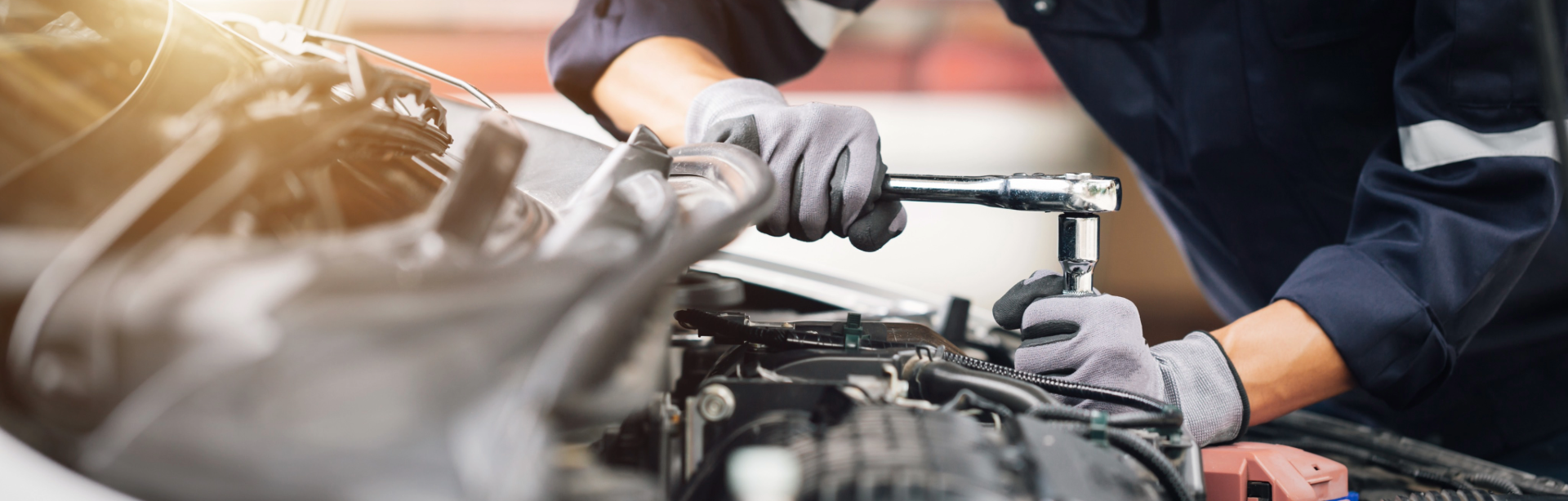
While your Honda may offer some reminders for maintenance, having a general understanding of service intervals can be incredibly beneficial for planning your vehicle’s care. This overview serves as a valuable reference, complementing your owner’s manual and any in-vehicle notifications (if available). It’s tailored to the everyday driving conditions in South Carolina.
What Services Are Needed in the First 30,000 Miles?
During the first 30,000 miles of ownership, Honda drivers often focus on essential services like routine oil changes, tire rotations, and filter replacements. The specific timing for these services varies based on your vehicle model, driving habits, and recommendations from the owner’s manual.
Oil service: Typically, oil changes might be needed more frequently for those navigating stop-and-go traffic or making frequent short trips, as these conditions can accelerate oil degradation.
Tires and filters: Tire rotations are frequently scheduled in the early stages of ownership to ensure even tire wear. Additionally, engine and cabin air filters should be monitored closely, especially in areas with high pollen and dust levels.
What Maintenance Should Be Done Between 30,000 and 60,000 Miles?
As your Honda approaches the 30,000 to 60,000 mile mark, maintenance shifts from basic upkeep to more specialized services that protect critical systems. The exact timing and requirements can vary significantly based on your specific model, powertrain, and driving habits, particularly in areas like Greenville and Spartanburg. Always refer to your owner’s manual and in-vehicle maintenance information for the most accurate guidance.
Transmission fluid service often becomes a priority in this mileage range, especially for those who frequently navigate the stop-and-go traffic on roads like Wade Hampton Boulevard or experience the demands of hilly terrains around the area. Proper transmission fluid maintenance ensures smooth shifting and the longevity of one of your vehicle’s most vital systems.
Replacing brake fluid is usually recommended based on time rather than mileage, as it can degrade over time, even in low-mileage scenarios. Regular inspections of your brakes and tires are also crucial as they play a pivotal role in your vehicle’s stopping power and handling, particularly during wet weather conditions or highway drives on Interstate 85. For insight into vehicle reliability and owner experiences across different models, consider checking out Consumer Reports.
What Major Services are Required Approaching 100,000 Miles?
As your Honda approaches the 100,000-mile mark, it’s common to consider a few key maintenance tasks that can enhance the vehicle’s longevity and performance. The specific services needed can vary by model and engine type, so it’s essential to consult your owner’s manual for tailored guidance.
Spark plugs: Spark plug replacement is often recommended around this mileage, although the exact timing may differ based on your engine’s design. New spark plugs can significantly improve fuel efficiency, ensure smoother starts, and contribute to overall engine reliability—especially important for daily commuters navigating roads like Wade Hampton Boulevard or Poinsett Highway.
Timing belt (if equipped) and coolant service: For certain older Honda models, a timing belt replacement is crucial as it may have a specific replacement interval. However, many modern engines utilize timing chains, which typically do not require replacement at regular intervals. Additionally, a coolant flush or replacement is often advised to protect your engine from overheating and corrosion. Keeping up with these services supports your vehicle’s reliability and aids in maintaining its resale value; you can find more insights on this topic at Kelley Blue Book.
Why is Local Expertise Important for Servicing Your Honda?
Having a service team that truly understands the local climate and road conditions in Greenville is invaluable for your Honda. The hot, humid summers can put extra stress on your vehicle’s A/C and engine cooling systems, while the seasonal pollen can clog air filters more rapidly than in other regions. Our technicians at Fred Anderson Honda are well-acquainted with the unique wear patterns that arise from local driving habits—whether it’s the stop-and-go traffic on Wade Hampton Boulevard or the winding roads leading to Paris Mountain State Park. This local expertise ensures that we can address specific issues that might arise in your vehicle, keeping it in optimal condition.
Furthermore, our technicians are adept at identifying region-specific wear and tear, such as damage from the fine red clay often found on rural roads or the impact of heavy rains during the wet season. By understanding these local factors, we can better predict maintenance needs and help extend the lifespan of your Honda. For more information on vehicle safety and maintenance, you can explore resources from the National Highway Traffic Safety Administration (NHTSA) and the official Honda Owners site.
Frequently Asked Questions (FAQs)
What is the average wait time for service appointments?
At Fred Anderson Honda, average wait times for service appointments can vary, but we strive to minimize delays by efficiently managing our workflow. Scheduling an appointment during midweek typically results in shorter wait times compared to weekends.
How can I schedule an appointment to minimize wait times?
To minimize wait times, consider scheduling your service during off-peak hours, such as Tuesday or Wednesday mornings. Fred Anderson Honda’s team is also available to help you choose the best time based on expected traffic and service demand.
What should I do if my appointment is delayed?
If your appointment is delayed, Fred Anderson Honda will keep you informed and provide updates on your vehicle’s status. Our team is dedicated to ensuring a smooth experience, so feel free to ask about any changes to your estimated completion time.
Are there peak times to avoid when scheduling service?
Yes, peak times such as Saturday mornings and late afternoons on weekdays are often busier at Fred Anderson Honda. To avoid longer wait times, it’s best to schedule your service appointments during midweek, when traffic is generally lighter.
How does Fred Anderson Honda ensure transparent pricing with no hidden fees?
Fred Anderson Honda provides clear estimates before any work begins, ensuring you understand the costs associated with your service. Our pricing policy emphasizes transparency, so you won’t encounter unexpected fees during your visit.
How does Fred Anderson Honda support the local community?
Fred Anderson Honda actively participates in community initiatives, such as the “Drive for a Difference” program, which focuses on local philanthropy. This commitment reflects our dedication to giving back to the Greenville area and supporting local causes.
About Fred Anderson Honda
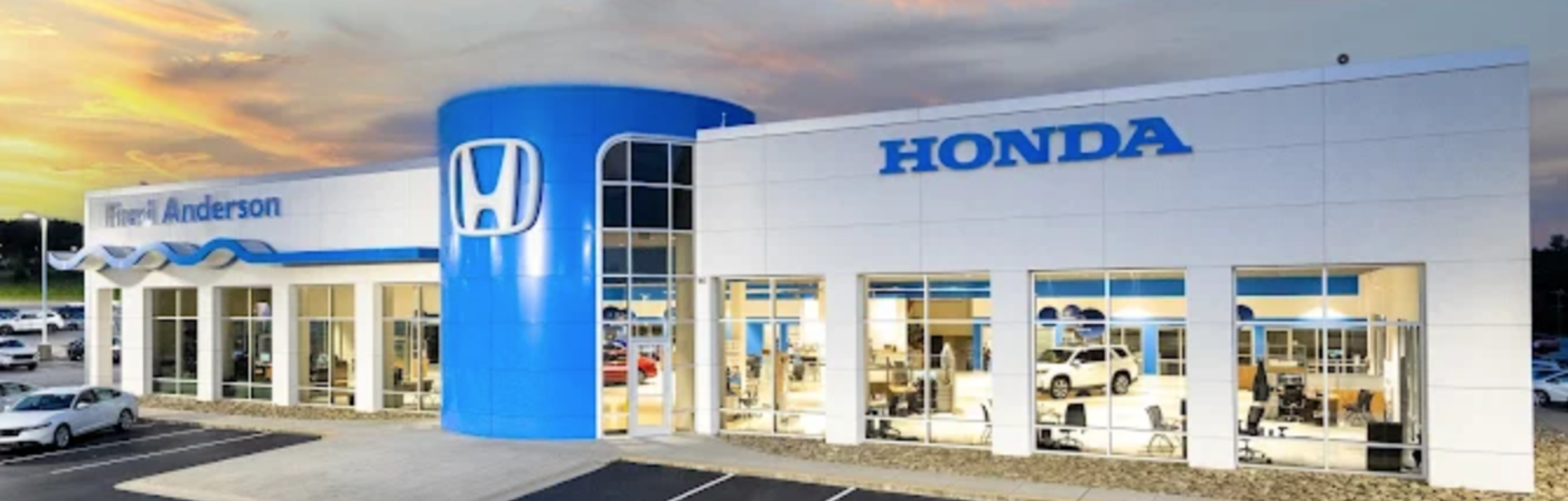
At Fred Anderson Honda, we take pride in being the premier automotive authority for drivers in Greer, Greenville, and across the Upstate South Carolina region. As a cornerstone of the Anderson Automotive Group—a family-owned legacy serving communities since 1955—we leverage decades of specialized Honda expertise to ensure every guest receives award-winning technical guidance and care. Our commitment to excellence is reflected in our prestigious status as a multi-year Honda Council of Excellence winner and our dedication to local philanthropy through our “Drive for a Difference” initiative. We go beyond the sale by offering our exclusive Family Plan, providing the long-term maintenance reliability and transparency that only a seasoned industry leader can deliver. Whether you are seeking professional service or a new vehicle, our deep-rooted history and passion for the Honda brand make us your most trusted resource for all things automotive.
Related Articles:
The Ultimate Guide to Finding the Best Honda Dealer in Greenville, SC
Connect with us


- July 2026
- June 2026
- May 2026
- April 2026
- March 2026
- February 2026
- January 2026
- December 2025
- November 2025
- October 2025
- September 2025
- August 2025
- July 2025
- June 2025
- May 2025
- November 2024
- March 2024
- February 2024
- January 2024
- December 2023
- November 2023
- October 2023
- September 2023
- August 2023
- July 2023
- May 2023
- April 2023